
As I grew to understand the broader historical context of my area, the pieces of the puzzle came together. I began to understand where I fit in.”
Dear ROPnet,
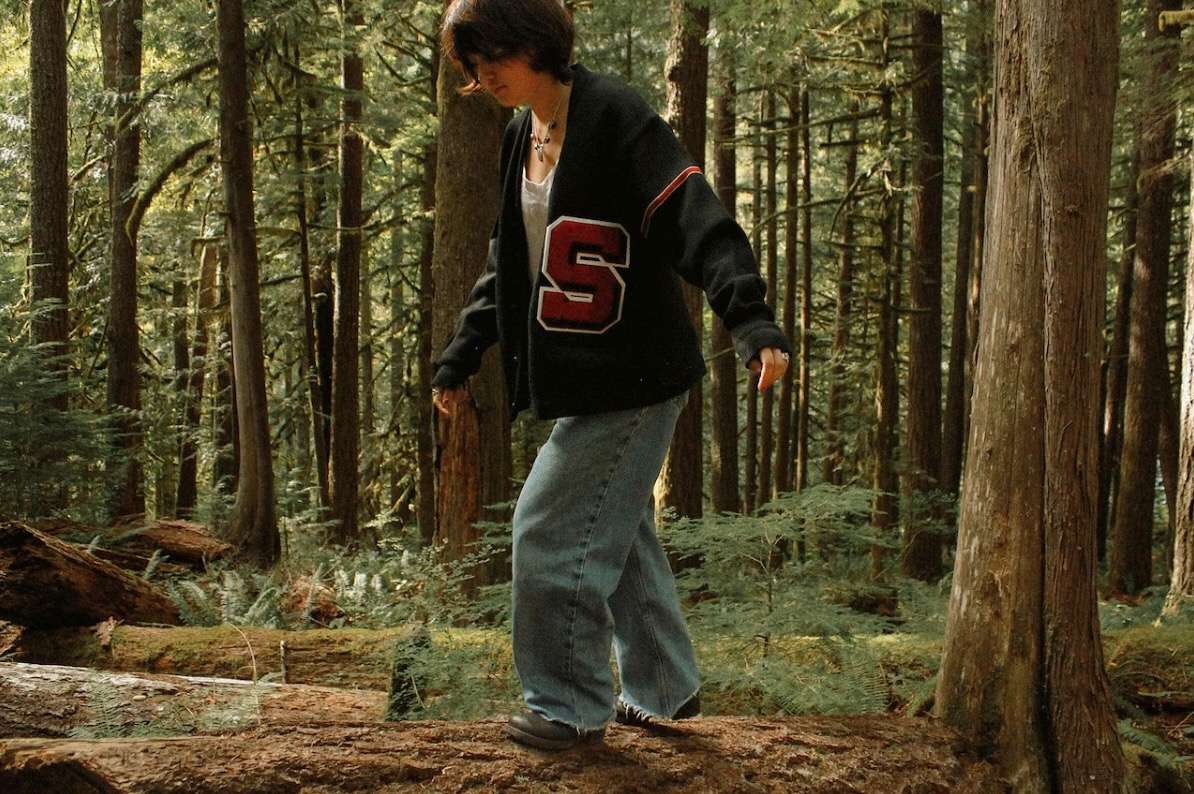
Charlie Bloomer, a high school senior from Sandy, uses their voice and talent to shift dominant narratives in and about rural Oregon, build community power, and create spaces through their writing where rural queers are welcomed and accepted.
Working towards these goals, Charlie holds many roles in their community and beyond, including writing some ROPnets for ROP. You can read one of the ROPnets that Charlie wrote here. They are also a Youth Voices contributor for The Oregonian; serve as editor-in-chief for Sandy High’s newspaper, The Pioneer Press; and volunteer as a fact checker for the Portland-based Street Roots newspaper. And now Charlie can add High School Journalist of the Year to their portfolio! We are beyond excited to congratulate Charlie on being named the Oregon high school journalist of the year by the Oregon Journalism Education Association.
Charlie recently wrote an article for the Oregonian called “Redefining rural: What history has taught me about my Oregon home.”
They close out the article with this powerful quote:
“I’ve learned that being ‘different’ is a beautiful thing. I’ve gained an unwavering connection with those like me. All people should feel entitled to call small Oregon towns their home, regardless of their sometimes shameful history. As youth continue to reshape the narrative of the future, I hope that a transformed and more loving Oregon is on the horizon.”
You can read the full piece below or by clicking this link.
Warmly,
Sam and the ROP Team
Redefining rural: What history has taught me about my Oregon home
By Charlie Bloomer | Youth Voices
I’m fascinated by history. From collecting nonfiction to being sucked into school lectures to scrolling aimlessly on Wikipedia, it’s a strange hobby for a teenager. But I’m trying to make sense of my place in the world by tracing my, and the entire world’s, history.
When I began to educate myself about history that resonated with me, I realized I am not an anomaly, but rather the product of all the events that happened before.
I live in the woods near Sandy, making me a rural Oregonian. Although I love my community and its quirky people, nature and friendliness, I never felt I fit in. Living in a queer and Asian American body, I used to feel something was wrong with me because I am different from the majority.
Like many rural areas across the state, my town values tradition. I first began to question my sexuality in middle school, around the same time a local church hosted anti-LGBTQ rallies that billed themselves as “family-values” oriented. Participants promoted the idea of “natural” families and some Proud Boys in attendance flashed white supremacist hand signals, Willamette Week wrote at the time. It was a dangerous dog-whistle that sent a clear message to my young self: Being queer or different from this norm wasn’t acceptable. I internalized a lot of shame.
It was through research that my home began to feel like a home. By going down internet rabbit-holes, I learned about sundown towns: towns that intentionally excluded people of color past sundown.
I began to wonder if my hometown was influenced by that history.
When I shared this search with my history teacher, she connected me with Nancy Spencer, a former archivist for the Mt. Hood Cultural Center & Museum and 65 year resident of the Mount Hood area. Spencer shared with me her notes on a book of deeds from 1911.
One document was a written script barring Asian Americans from living on a property in Rhododendron, just 20 miles away from where I grew up, according to Spencer’s notes.
“You could see what it was like in those days. It was dumb the way they treated people, but I guess that’s what they thought,” Spencer said.
The document proclaimed that Chinese and Japanese residents could not occupy any business, hotel, store or factory unless they were employed on the property as “house servants,” Spencer wrote.
It wasn’t an isolated event. There “was growing hostility towards Asian farmers,” especially in the Hood River Valley area, according to the Oregon Department of Administrative Services’ 2021 DEI Action Plan. By 1923, the Oregon Legislature passed laws that prevented Japanese Americans from owning or leasing land.
These things helped me understand that intentional practices created barriers for Asian Americans and other people of color to move into my neck of the woods. Today, about 3% of people in Government Camp, Sandy and Rhododendron are Asian, according to the U.S. Census Bureau, compared to 5% of the state as a whole.
As I grew to understand the broader historical context of my area, the pieces of the puzzle came together. I began to understand where I fit in.
When I served as a campaign manager for the grassroots youth organization Students Advocating for Equality my junior year, I met other LGBTQ+ youth across the state who also shared my deep fascination with history and a passion to transform rural places.
I met Parker McCord, a student at Clackamas High School, who had done countless hours of research on transgender history. Research helped calm their anxiety. It reinforced the belief that, despite the dominant narrative, people like McCord have existed in every nation, culture and timeline. When I met McCord, I realized I had never been alone.
Although history may get lost throughout generations, people like me have always been around. Between the lines of my history textbook, I learned my home is not where I live but the people who shape it. My home is made up of youth like McCord, the history nerds, the unconventional leaders and the rural queer youth across the nation.
I’ve learned that being “different” is a beautiful thing. I’ve gained an unwavering connection with those like me. All people should feel entitled to call small Oregon towns their home, regardless of their sometimes shameful history. As youth continue to reshape the narrative of the future, I hope that a transformed and more loving Oregon is on the horizon.
Youth Voices contributor Charlie Bloomer is a senior at Sandy High School. They serve as editor-in-chief for Sandy High’s newspaper, The Pioneer Press, a communications volunteer for Rural Organizing Project, and an active participant on the speech team.
