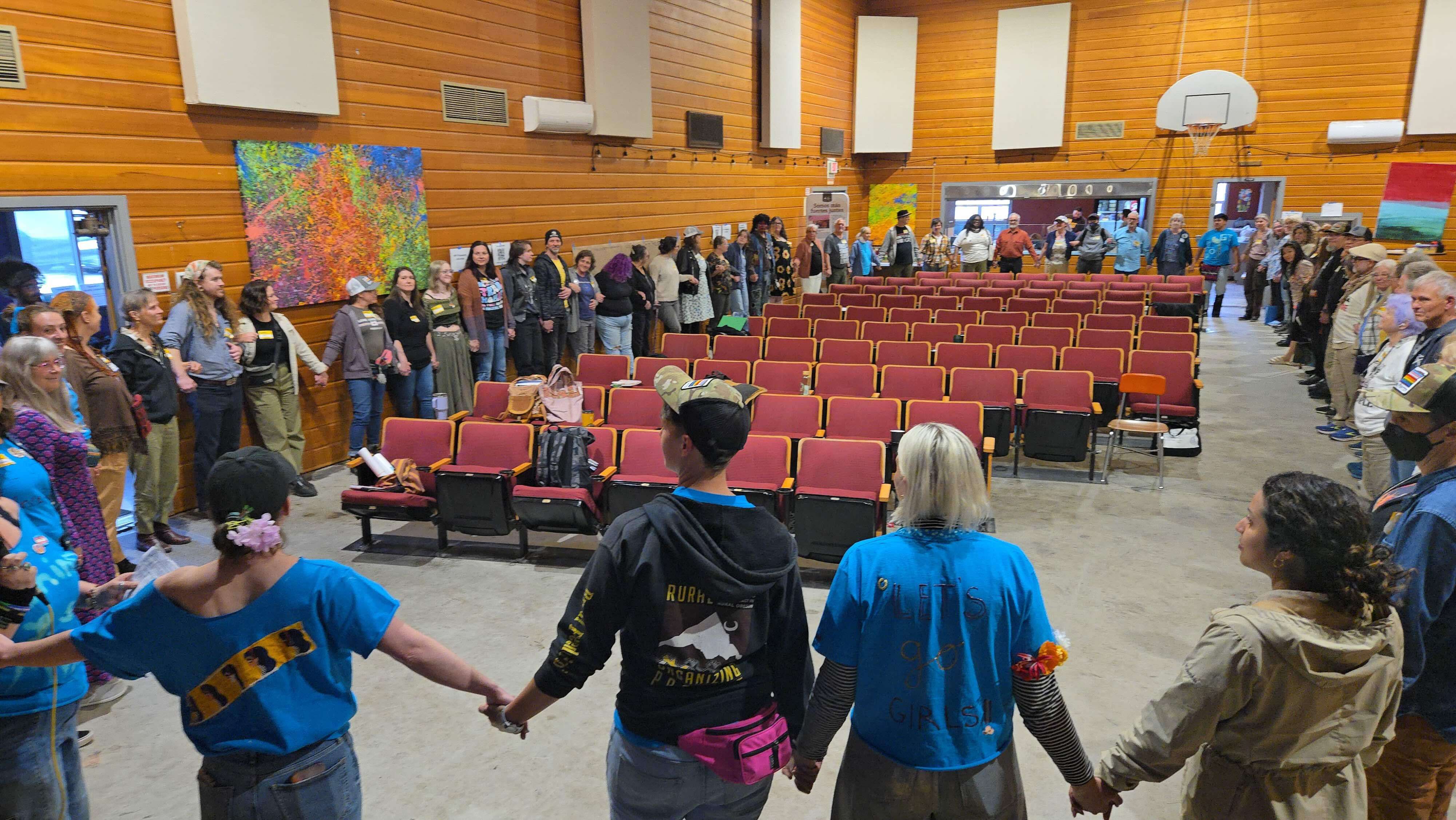
Dear ROPnet,
What a joy! Amid so much fear and uncertainty, we sang Karaoke, shared poetry, and our talents together! We built new regional configurations for staying connected and moving together. We danced in the aisles. We talked about all the ways that, as a network, we are already resisting fascism and organizing to build the world we believe in, and walked away with new connections, strategies, and inspiration.
The Caucus has never been more important. Every space where we actively practice collective governance right now is an act of defiance in the face of authoritarianism. The Caucus is an organizing strategy where we collectively come up with solutions and actions for our communities, neighborhoods, frontlines, and social movements. It is a building block of true democracy.

The Caucus isn’t your typical convening…we create space to practice community governance and to coordinate together across multiple strategies and geographies. Social Movements throughout history and around the world have used assemblies like these to make decisions and advance the practice of people power, self-determination, and democracy. This work is slow, but you better believe it’s how we get to where we need to go. We will win through the strength of our relationships and our level of interconnection. 50 years from now, people will reflect on spaces like the Caucus as “the resistance.” They will tell stories about how we came together and planned and cried and danced and took down authoritarianism.
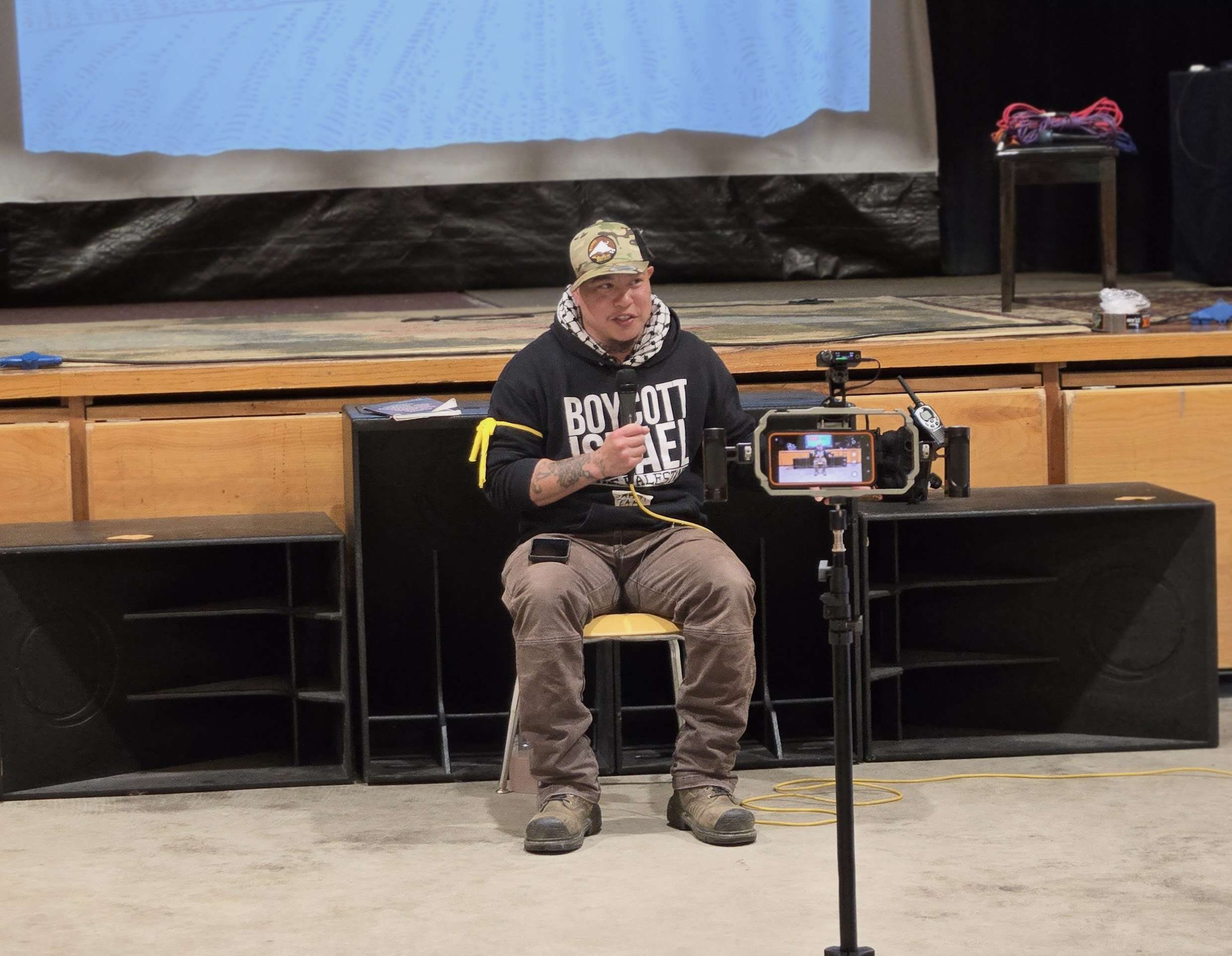
If you weren’t able to join us at the Caucus, there is SO much we are excited to share with you in the coming weeks and months. For now, keep reading for the full schedule of events from the weekend alongside some juicy details, updates, and photos. Also, check out our Instagram, Facebook, and YouTube for photos and videos from the weekend! Here’s just one recent post with amazing ROP friends Ahjamu and Tighearnan talking about their safety and de-escalation workshop at the Caucus!
What we learned and heard from human dignity leaders at the Caucus will help set ROP’s direction in the coming year. If you couldn’t be at the Caucus this year, what does this ROPnet bring up for you? What strategy sessions would you be eager to hear more about in future ROPnets? Email us at sidra@rop.org and let us know how these highlights relate to your group’s current organizing!
Warmly,
Sidra and the ROP Team
2025 Rural Caucus & Strategy Session AgendaPlus extra details, highlights, and photos!
Saturday Morning: Welcome and Grounding: Who’s in the Room?
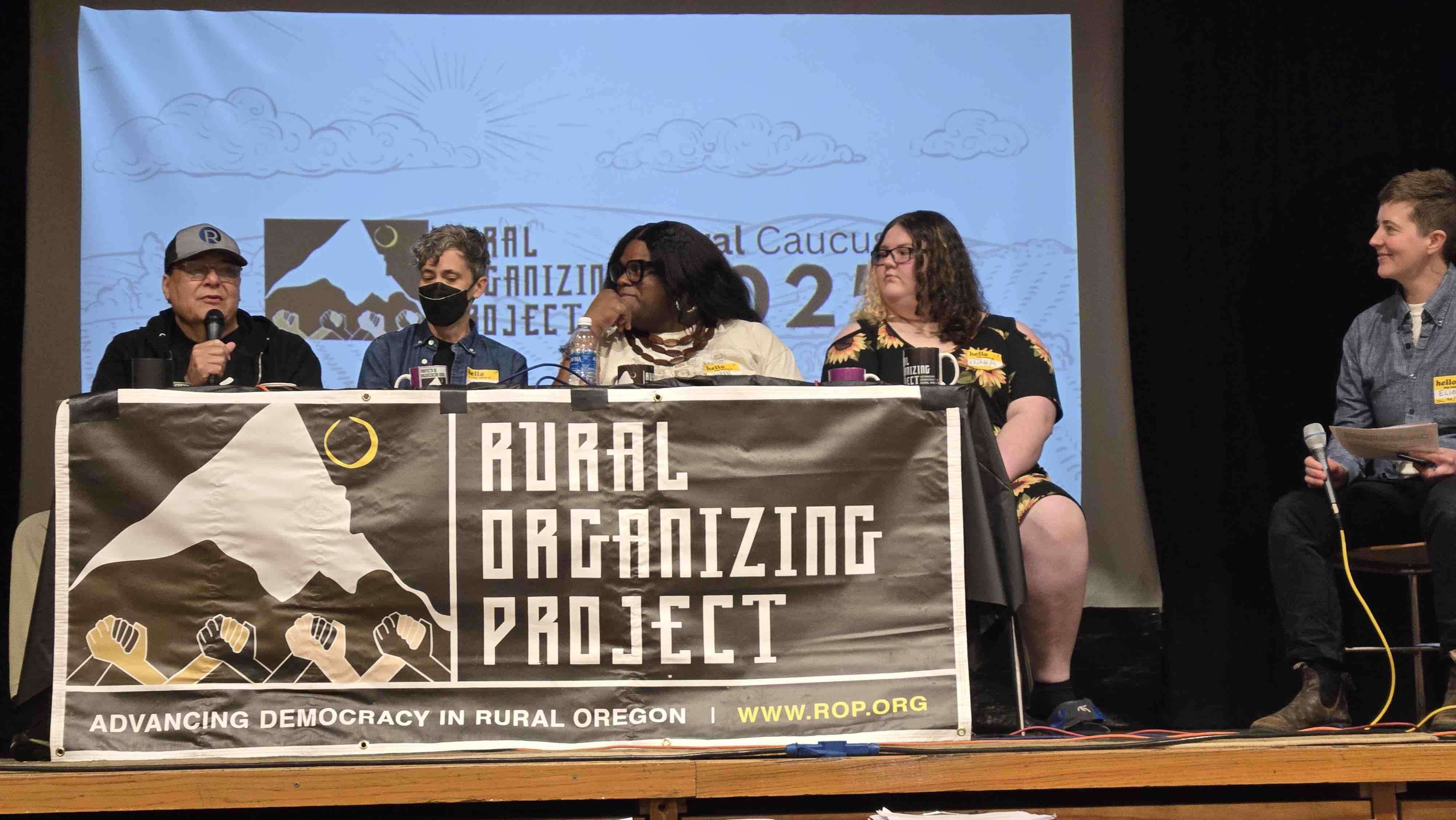
Gather together to get grounded in where we are as a rural justice movement today and celebrate who is in the room from every corner of the state. Ramon Ramirez, former president of PCUN, Oregon’s Farmworker union, and longtime ROP partner, will share his perspective 100 days into Trump’s second term. We’ll also hold a discussion between Ramon and ROP leaders about what’s working, how we are bringing new people in, and what the fascist takeover means for our work.
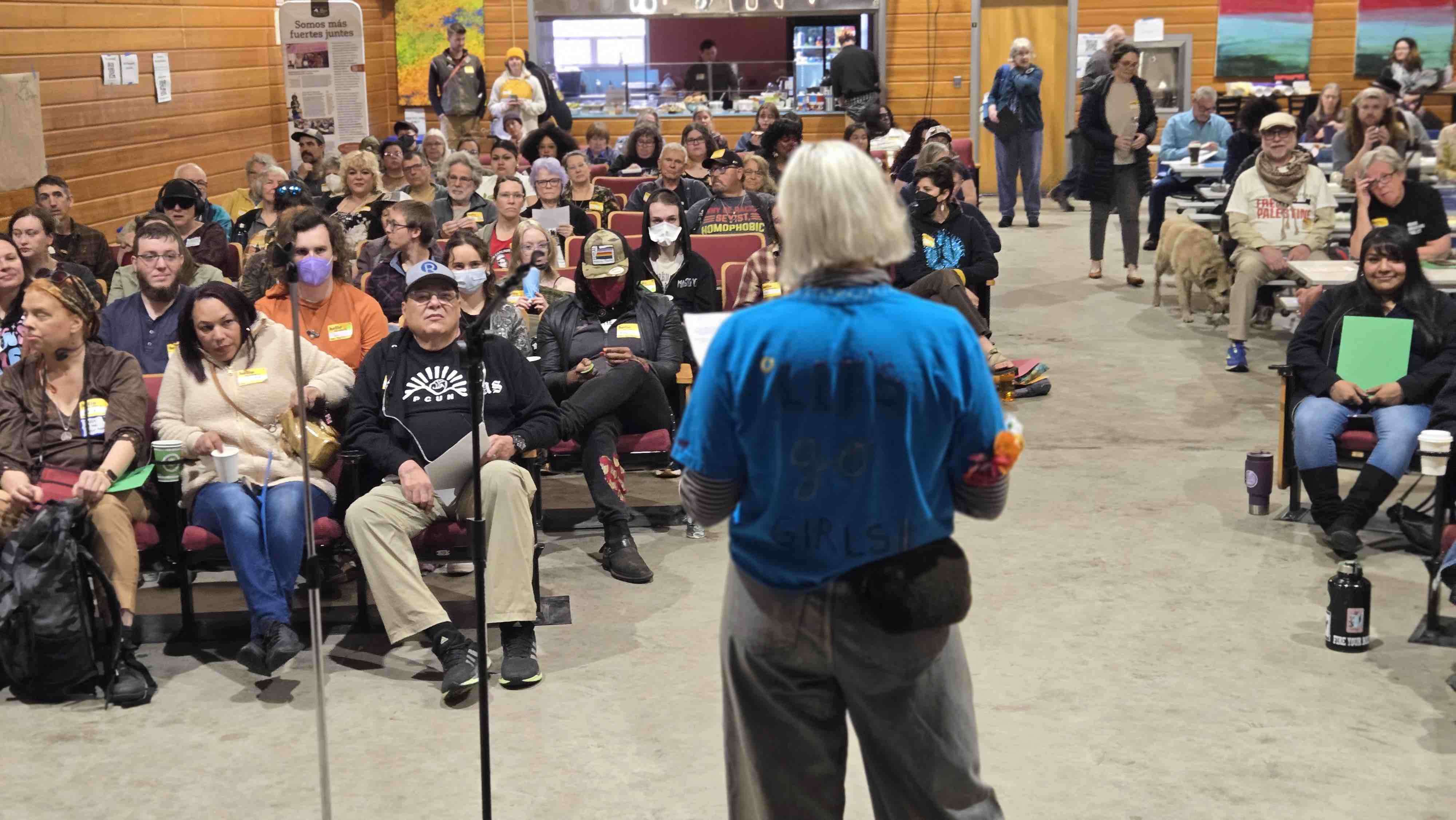
Building Stronger Together: Small Group Discussion Split into small groups to get to know each other and strategize around the roles we each want to play in the anti-authoritarian movement, how we are growing our base, and how we can support one another for the year to come to achieve the thriving rural Oregon of our dreams.
Lunch and more great conversations! At the end of lunch, we celebrated several groups who have done powerful work this year with Human Dignity Awards!
Stay tuned for a ROPnet with the Human Dignity Award Winners!
De-escalation and Security for Organizers 101
Despite growing threats of repression and armed counterprotest, thousands of organizers across rural Oregon joined 5 million people in taking to the streets on April 5th to resist the new regime. We’ve been facing threats and intimidation for decades and showing up anyway, because we know that the safest community is an organized one. Practicing de-escalation together and creating safety plans will better prepare us to build what we need in advance and to respond in urgent moments. Whether you’re a long-time organizer or new to planning protests, come share and explore tools to help your group be both courageous and strategic in the work ahead of us. We’ll talk about the importance of having teams to share this work, de-escalation as community care, and how security culture doesn’t need to be a barrier to getting shit done and bringing more people in.
Political Theater for Social Change: Rubber Chickens and Revolution
Add new theater tools to your organizing toolbox! Join us to de-mystify grassroots theater ideas and techniques using acting games so that you (yes, you!) can imagine yourself using these tools in your organizing. Does this very thought make you panic? Then this session is especially for you! This session comes from multiple requests from groups to imagine, envision, and practice using creative tactics in our organizing work. Political theater offers tools to embody the joyful future we’re working toward and experience moving through discomfort and tension into greater connection. Participants will also have a chance to reflect on how they might integrate creative approaches into their organizing and what tools they want to take home.
Organizing for Governing Power: Winning More Than Elections
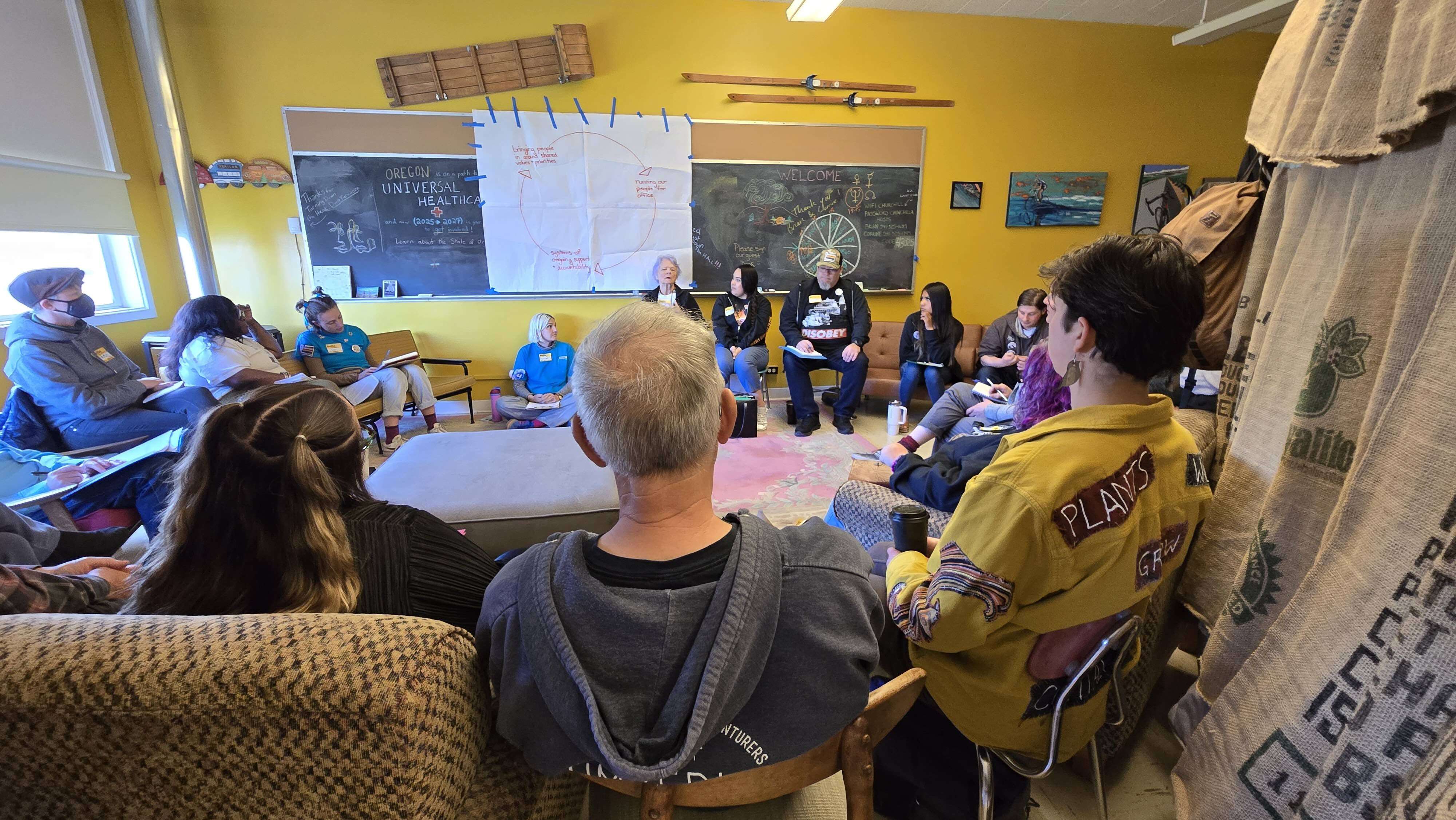
The federal government is sabotaging civic institutions and infrastructure that our communities rely on, and elected officials will be a key source of resistance. School and library boards, city councils, and county commissions have a say over whether our communities are inclusive and resourced. For years, the Right has seen opportunities to build power through local elections. What does it mean in this authoritarian moment to work at the local and state level to not only defend democracy, but to build it where it hasn’t truly existed before? What could it look like to run your Human Dignity Group defend democracy, but to build it where it hasn’t truly existed before? What could it look like to run your Human Dignity Group for office? Already, the ROP network is at work: talking with neighbors about how we for office? Already, the ROP network is at work: talking with neighbors about how we need our elected officials to represent rural priorities and needs, running and winning progressive city council slates, holding county commissions accountable to resist federal funding cuts, and more. Join Working Families Party and local leaders from around the state to talk about how we think even bigger and connect the dots between our electoral organizing statewide.
Neighbor-to-Neighbor Conversations that Grow Our Movement
We know that to dismantle authoritarianism and build community power, we need a mass movement based not on Left vs Right but on people vs billionaires. In this pro-democracy movement, the central question must be “Do you want to have a say in how we are governed?” If yes, then let’s work together. But how do we have conversations about our values in politically tense times? How do we create opportunities for our neighbors to find their place in our movement, regardless of who they voted for or whether they voted? Join us to learn tried and true tools around having tough conversations with family, friends, and neighbors, and to strategize about what we need to bring in new allies.
Immigrant Justice is Community Safety
Our vision is a safe and welcoming state where all Oregonians are treated fairly and have what they need to thrive. In this critical moment, our communities are calling on us to confront blatant attacks on immigrant rights and the dignity of all who call Oregon home. A key strategy of authoritarianism is turning more and more neighbors into enemies, but we refuse to be divided. New coalitions and networks of care are popping up and experimenting with how to most strategically address the violence of ICE enforcement and vigilantes who are targeting immigrant community members, foreign students, and even U.S.-born people of color.
World Building through Disability Justice, Mutual Aid, & Community Care
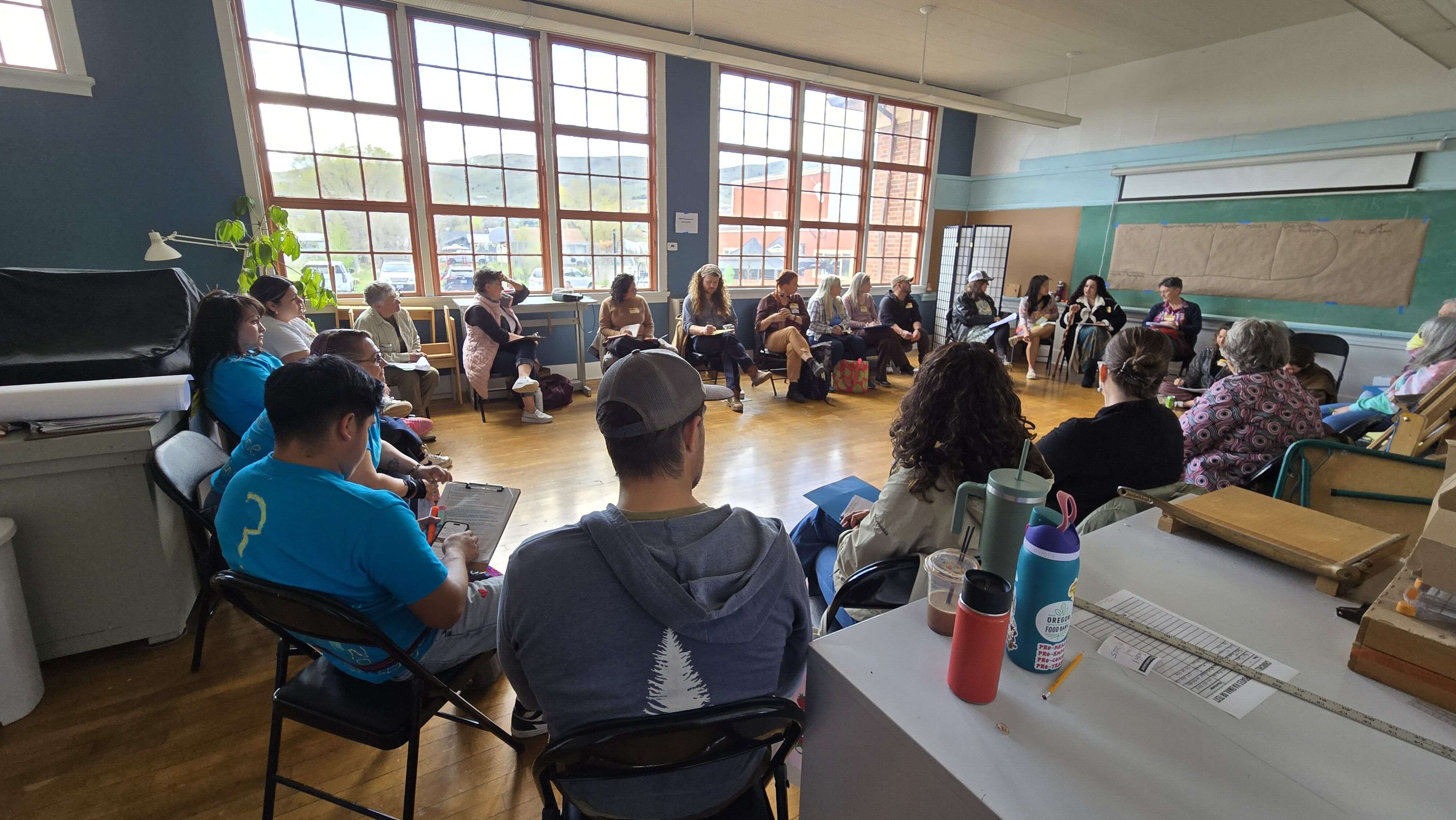
Federal funding cuts are causing more of us to turn to one another to meet our basic needs than ever before. Mutual aid (sharing resources and building our own systems of care) continues to be necessary for the survival of disabled people, queer people, and people of color. Relying on state-operated systems has never been a good option for folks with marginalized identities. For decades, queer, trans, BIPOC, and disabled folks have been organizing systems of collective care that offer a vision for a world built around safety and health for all of us. Disability Justice principles of interdependence, collective access, and leadership by those most impacted offer a framework for creating what we need together. Join us to reflect on the strengths of rural communities and generate strategies to build sustainable and inclusive mutual aid movements rooted in solidarity.
Media Monopolies, Slanted Playing Fields, and Broken Trust
The Right dominates the news, entertainment, and social media landscape today. So many rural communities have lost local newspapers and radio stations entirely, or have seen them bought out by billionaires and conglomerates. Just this past year, Carpenter Media in Tennessee bought 30% of Oregon’s newspapers! Times have changed, and we aren’t going back, so how do we move towards a brighter future, rooted in the messaging strategies where we hold the power? We know we need to build intergenerational conversations that support our movement’s growth for decades to come. Join us to strategize about strengthening communications for disaster response, sharing different viewpoints to keep temperatures low, and breaking isolation as we get the word out about our organizing!
Defending Our Rights and Those of Our Neighbors
State and vigilante violence are rising at alarming rates under the Trump administration. In response, part of our work will be knowing and defending our constitutional rights and the rights of our neighbors, regardless of documentation status. In this session, we will role play a variety of possible rapid response scenarios, including ICE detention, unlawful arrest of protesters and vigilante violence against queer, trans, or disabled people. Through this practice, we will give each other feedback and reflect on how we can take these tools home to share with our neighbors.
De-escalation and Security for Organizers 201: Train the Trainers
If you have experience doing safety work (or you participated in the 101 session earlier today) and are excited to keep building those skills, this session is for you. Experience in safety work can look like so many different things, from having volunteered to do security for local events or being skilled in de-escalating conflict because of your lived experiences. Or maybe you’re the person people tend to call in a crisis moment. Safety work isn’t just for a select few; it’s part of creating a culture of community care in everything we do. As we prepare for ongoing acts of protest and civil disobedience, we’ll need as many skilled people as possible! This Train the Trainers style session will support you in taking this work home to share with your Human Dignity Group and beyond.
Dinner and Rural Ruckus: Open Mic and Talent Show!
Stick around for a delicious dinner and fabulous conversations, followed by a talent show, open mic, and live music! Bring a piece of writing, a song, your best drag lipsync, a magic trick, or anything you’d like to share! And, of course, there will be plenty of space for folks who want to sit quietly, play a game, or take it all in.
Sunday morning: Reground, Reflect, Get Set
We took some time to reground ourselves and reflect on what we had gotten out of the weekend so far.
“Words are important, but for democracy, living our lives and planning actions that live out our values are more important.”
– Sandy, ROP friend and Director of ACLU of Oregon
“We’re starting to tear down the barriers of fear. The anxiety we came here with is lowering. I’m leaving with so much energy. Let’s take the struggle out to the streets. When we look back on this moment and younger generations ask us, ‘What did you do?’, [we will answer] ‘What did we do together?’. Bring your youth alongside you! Change starts from your heart.”
– Ramon, ROP friend and former Director of PCUN
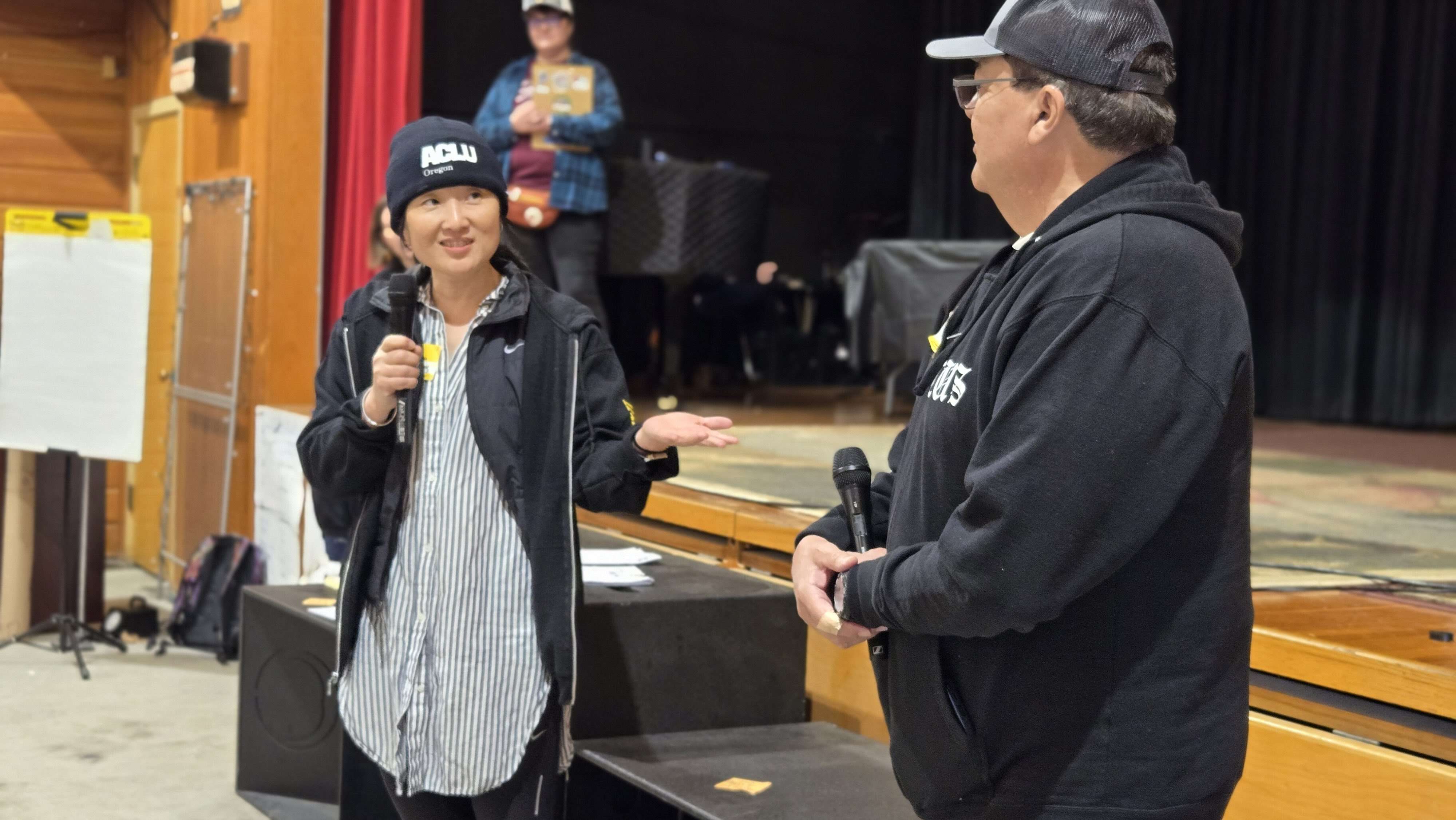
Radical Imagination for Regional Resilience: There’s never been this much coming at us at once. It’s easy to get isolated in our own area of work and overwhelmed by how terrible everything is. When we’re busy surviving attacks and dismantling authoritarianism, how do we make space for visioning and building the world we want to live in? Connect and strategize with your neighboring counties about where we’ve got power to build, what gaps need to be filled to help meet each other’s basic needs, and how we want to stay connected for the coming year. Each regional breakout will create a PATH Plan, or “Planning Alternative Futures with Hope,” a tool that comes out of the disability community!
We reminded ourselves that Walidah Imarisha reminds us to be
“utterly unrealistic in our organizing, because it is only through imagining the so-called impossible that we can begin to concretely build it. When we free our imaginations, we question everything. We recognize none of this is fixed, everything is stardust, and we have the strength to cast it however we will.”
We spent the entire morning in our regional breakout configurations, strengthening relationships and forging new ones, and walked away with some concrete next moves in each region. Regions agreed they wanted to continue to build coalition spaces to be organizing closely with one another between each annual Caucus. Stay tuned for more updates on those ongoing regional configurations!